In many ways, the eastern Panhandle of the Okavango Delta is a hinterland in Botswana. It is remote, sparsely populated, and lacking access to the kinds of services, markets, and opportunities available elsewhere in the nation.
“Imagine having your entire livelihood destroyed by a beast that comes in the dead of the
night. Imagine defending your homestead from a monster weighing close to a hundred times
your weight, one that knows exactly where you are through its extraordinary sense of
hearing and smell, while your only useful sense is reduced to what you can see in a dim
circle of light from a flashlight with failing batteries. Imagine being too poor to buy new
batteries.”
Joyce Poole, Coming of Age with Elephants: A Memoir
The People
The people here are culturally diverse. They include the Bahambukushu, Bayei, and Basarwa. They speak different languages and follow different traditions. They have different histories and different memories of the Delta.
What they have in common is a day-to-day struggle to live with and protect their fields and homes from elephants. Many people in the area are subsistent farmers, depending directly on crop and livestock farming to feed and provide for their families. Yet, often their crop yields are low due to poor soils, and erratic rainfall. Add to this, crop loss to elephants and people’s perceptions are often negative towards elephants and tolerance levels are low.
Coexistence between people and elephants within the Okavango landscape is therefore a big challenge.
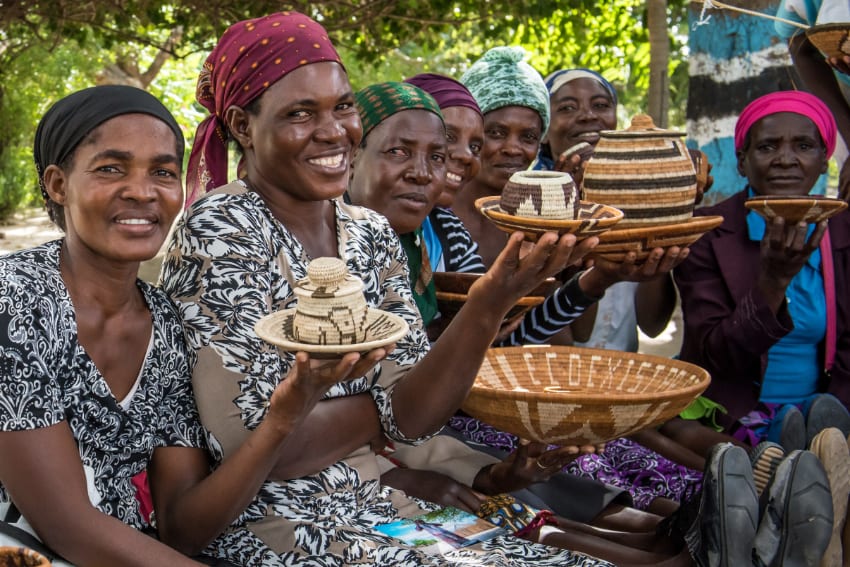
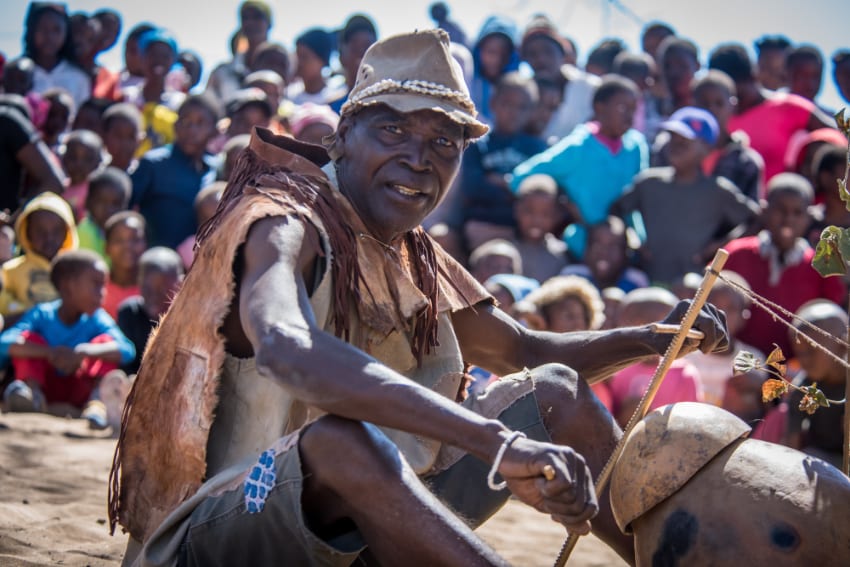
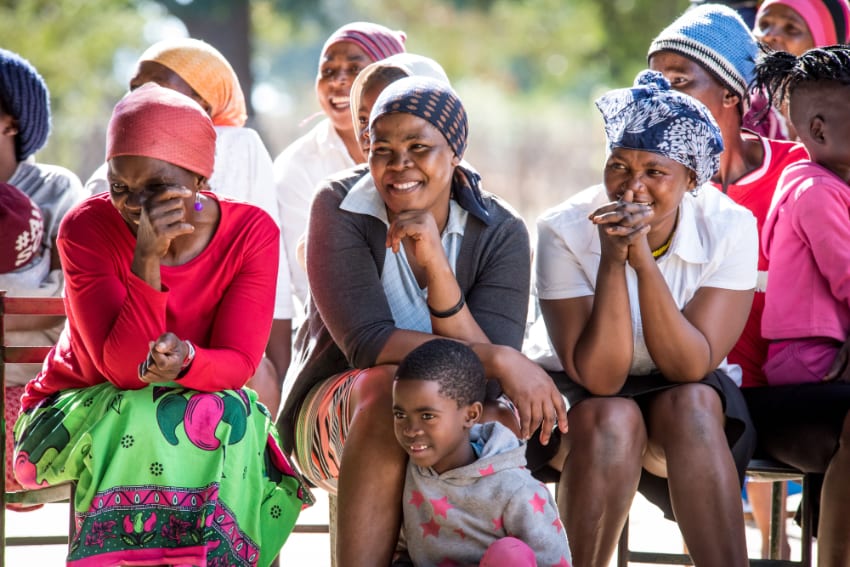
Many people in the Okavango region depend directly on farming and livestock to feed and provide for their families. Yet, with poor soil quality and erratic rainfall often crop yields are low and barely enough to make it through the year. The low yields and poor soils compel farmers to clear more land, often abandoning one field and moving to a newly cleared field, sometimes close to elephant pathways. Farmer resilience is lowered even further due to the threat of crop-raiding by elephants.
Between April and June, at the time when crops are ripening and farmers are ready to harvest, elephants begin moving from the drying water holes in the north through the villages to water and other resources in the Delta. Along the way, they pass many fields and settlements, sometimes raiding and trampling crops. In one night, an elephant can destroy the millet, sorghum, or maize a family may depend on for an entire year. And they are left with nothing.
Elephants are dangerous to people too. Especially if startled or frightened, elephants can charge, and walking near them is very risky. Yet few people in the Panhandle have vehicles, and there is no public transport. They usually get around by foot or donkey cart, often needing to cross paths with elephants. Children in particular are vulnerable as they often need to walk several kilometres to the nearest village for school. Returning home at dusk can be especially dangerous, and parents often need to help their children understand how to be safe around elephants. The threat of encounters with elephants, however, still weighs heavily on worried parents who wait for their returning children. (see Elephant Express)
"People in the eastern Panhandle walk village roads at dusk, doing their best to keep a respectful and safe distance from the elephants. The elephants too watch the people carefully as they navigate time-worn pathways to and from the Delta waters."
Max Baitseng, Ecoexist Field Coordinator